Dermal Health & Exercise Physiology
Athletic Skincare: The Complete Protocol for Healthy, Resilient Skin Under Heavy Training
Evidence-based dermatology · Updated October 2026
Clinical Context: Exercise improves microvascular circulation and promotes systemic anti-inflammatory markers. However, intense sweating, gym equipment contact, friction, chlorine, and UV exposure introduce distinct dermatological challenges: stratum corneum barrier disruption, folliculitis, and sweat-induced acne. Here is how evidence-based athletes protect their skin.
1. The Exercise-Skin Physiology: What Happens When You Train
Your skin is your largest organ and your primary defense barrier. During intense training, your body shifts into thermoregulatory overdrive:
- Vasodilation & Microcirculation: Core temperature rises, stimulating cutaneous vasodilation. Capillary beds open up, delivering rich oxygenated blood and nutrients to dermis cells, producing the signature "exercise glow".
- Sweat Glands & pH Shifts: Eccrine glands produce water and sodium chloride, while apocrine glands produce fatty compounds. Sweat elevates skin pH from its healthy acidic resting state (pH 4.7–5.5) toward alkaline levels (pH 6.5–7.0), temporarily compromising the skin's natural antimicrobial acid mantle.
- Transepidermal Water Loss (TEWL): As sweat evaporates to cool your core, it pulls moisture from the upper epidermis. Without proper hydration and barrier replenishment, skin becomes paradoxically dehydrated, overproducing sebum to compensate.
The "Sweat & Breakout" Myth vs Reality
Sweat itself is primarily water, electrolytes, and antimicrobial peptides (like dermcidin); it does not inherently cause acne. Acne and folliculitis occur when sweat is trapped beneath tight synthetic fabrics, combined with dried sebum, dead skin cells, and bacteria transferred from contaminated gym equipment.
2. Gym Hygiene Protocol: Pre, Intra & Post-Workout Rules
Follow these 3 non-negotiable phases to eliminate 95% of exercise-induced breakouts and fungal irritation.
Working out in heavy silicone foundation or thick powders creates an occlusive film that traps rising sweat and sebum inside pores. Use a gentle micellar water or light water-based gel cleanser before lifting.
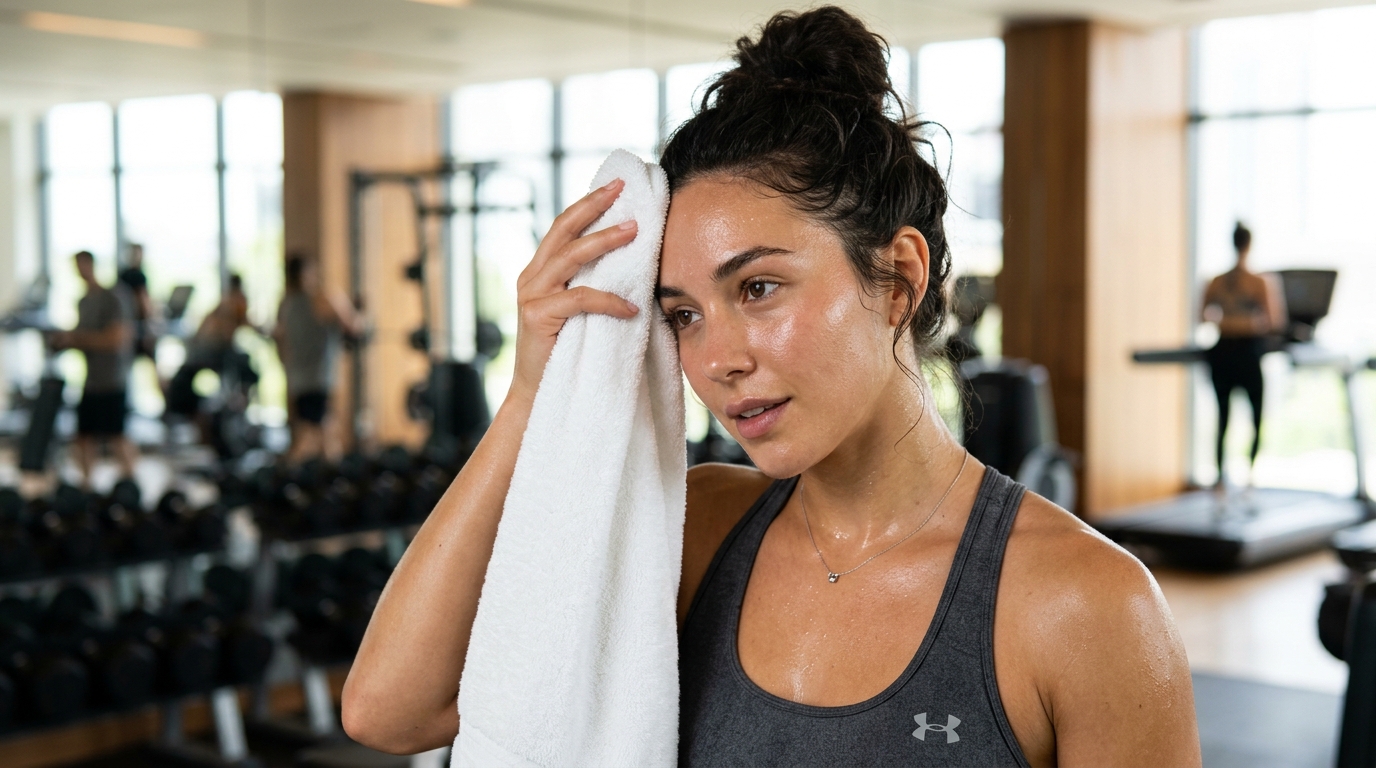
Barbells, dumbbells, and cable attachments host high bacterial counts (Staphylococcus, Propionibacterium). Never wipe sweat with bare hands. Use a clean, dedicated microfiber towel and pat gently—never scrub or rub aggressively.
The 15-Minute Window
The single most critical rule for active individuals: do not stay in sweaty, occlusive gym clothing.
- Shower within 15–20 minutes: Rinse off sweat, dried salts, and microbes with lukewarm water. Hot scalding water strips natural ceramides and exacerbates post-workout redness.
- Commute Emergency Plan: If you cannot shower immediately at the facility, strip off sweaty compression gear, use a gentle 2% salicylic acid or hypochlorous acid spray on your chest, back, and face, and put on loose, breathable cotton clothes.
3. Body Acne ("Bacne") & Folliculitis: How Athletes Fix It
Athletes frequently suffer from body breakouts along the upper back, shoulders, and chest. The key is distinguishing between bacterial acne and fungal folliculitis:
| Condition | Clinical Appearance | Primary Root Cause | Evidence-Based Treatment |
|---|---|---|---|
| Acne Vulgaris (Body Acne) | Varied sizes: blackheads, whiteheads, deep cystic bumps, inflamed papules. | Cutibacterium acnes bacteria, excess sebum, friction from weight vests / sports bras. | 2% Salicylic Acid (BHA) body wash or 5–10% Benzoyl Peroxide wash (leave on skin for 2 min before rinsing). |
| Malassezia Folliculitis ("Fungal Acne") | Uniform, itchy, small pin-sized red bumps around hair follicles across chest and shoulders. | Overgrowth of lipophilic yeast (Malassezia) flourishing in hot, humid, sweaty environments. | Ketoconazole 2% or Zinc Pyrithione wash used 2–3x weekly. Avoid thick plant oils (coconut oil, shea butter). |
4. Outdoor Training, Running & Sun Protection (SPF Mastery)
UV radiation is responsible for up to 80–90% of visible premature skin aging (collagen breakdown, elastosis, hyperpigmentation) and increases melanoma risk. Runners, cyclists, and outdoor athletes receive 4x more UV exposure than sedentary individuals.
- Broad-Spectrum SPF 50+: Defends against both UVB (burning) and UVA (deep cellular damage and collagen degradation).
- Water & Sweat Resistant (80 minutes): Regular daily moisturizers wash right off within 10 minutes of running. Look for tested sport-grade water resistance.
- "No-Sting" Formulation: Chemical filters like avobenzone can burn eyes when sweating. Use mineral-based (Zinc Oxide / Titanium Dioxide) sticks around the forehead and eye contour, or advanced encapsulated modern filters.
- Don't Forget Often-Missed Zones: Back of the neck, ears, lips (use an SPF 30+ lip balm), and tops of hands.
5. Active Skincare Ingredients Decoded for Athletes
1. Niacinamide (Vitamin B3)
Ideal for: Redness reduction, oil balance, and barrier repair.
Athletes benefit greatly from 2–5% niacinamide because it strengthens ceramide synthesis, combats post-workout flushing, and prevents pores from clogging.
2. Salicylic Acid (BHA 1–2%)
Ideal for: Unclogging sweat ducts and clearing dead keratin.
Oil-soluble BHA penetrates deep into the pore lining to dissolve trapped sebum and gym debris before they form blackheads or inflammatory pustules.
3. Retinoids (Retinol / Retinal)
Ideal for: Collagen rebuilding and cell turnover.
Use strictly in the PM. Stimulates fibroblasts to build deep structural collagen lost through oxidative stress and chronological aging.
4. Ceramides & Hyaluronic Acid
Ideal for: Replenishing water loss and sealing the barrier.
Sweating leaches moisture. Applying hyaluronic acid followed by a ceramide-rich barrier cream restores epidermal integrity overnight.
6. The Diet, Gut & Skin Axis: What You Eat Shows on Your Skin
True athletic skin health is built from the inside out. Your training nutrition directly impacts your complexion:
- Whey Protein Concentrate vs Isolate vs Plant: Whey protein concentrate contains high levels of IGF-1 (Insulin-like Growth Factor 1) and leucine, which stimulate the mTOR pathway and sebaceous gland hyper-proliferation. Athletes who break out on whey often clear up completely by switching to a pea/rice plant protein blend or pure egg white protein.
- Omega-3 Fatty Acids (EPA/DHA): 2–3 g daily of quality omega-3s lowers leukotriene B4, an inflammatory eicosanoid responsible for inflammatory breakouts and skin redness.
- Hydration & Electrolytes: Chronic low-grade dehydration makes skin look sallow, sunken, and dry. Aim for 35–45 ml of water per kg of bodyweight, salted appropriately if you are a heavy sweater.
- High Glycemic Sugars & Glycation (AGEs): Repeated insulin spikes cause Advanced Glycation End-products, where excess circulating sugar cross-links with collagen fibers, stiffening skin tissue and accelerating wrinkles. Stick to complex, unrefined carbohydrates.
7. Interactive Athletic Skincare Routine Builder
Select your skin profile and workout type to generate an immediate customized morning, post-gym, and evening skincare protocol.
8. Frequently Asked Questions
Should I wash my face right after the gym with a foaming cleanser?
If you washed your face in the morning, a second harsh foaming cleanser mid-day can strip your lipid barrier. Use a gentle non-foaming hydrating cleanser or a rinse with lukewarm water followed by a barrier cream. Save deep chemical cleansing (salicylic acid) for the evening or your shower.
Does sweating clean out and detox my skin?
No. Your liver and kidneys handle 99% of bodily detoxification. Sweat's primary purpose is thermoregulation (cooling). While sweating helps purge dead surface cells from pore openings, if allowed to dry on skin with bacteria, it actually causes follicular clogging.
How do swimmers protect their skin from harsh pool chlorine?
Rinse with fresh tap water before entering the pool (saturated skin absorbs less chlorinated water). Apply a thin occlusive balm or silicone pre-swim protector. Immediately after swimming, wash with a specialized vitamin C neutralizing body wash, followed by a heavy ceramide cream.