Sports Nutrition Protocol
Athletic Nutrition: Macronutrient Science, Meal Timing & Supplementation

Updated September 2026 · 10 min read · Evidence-based
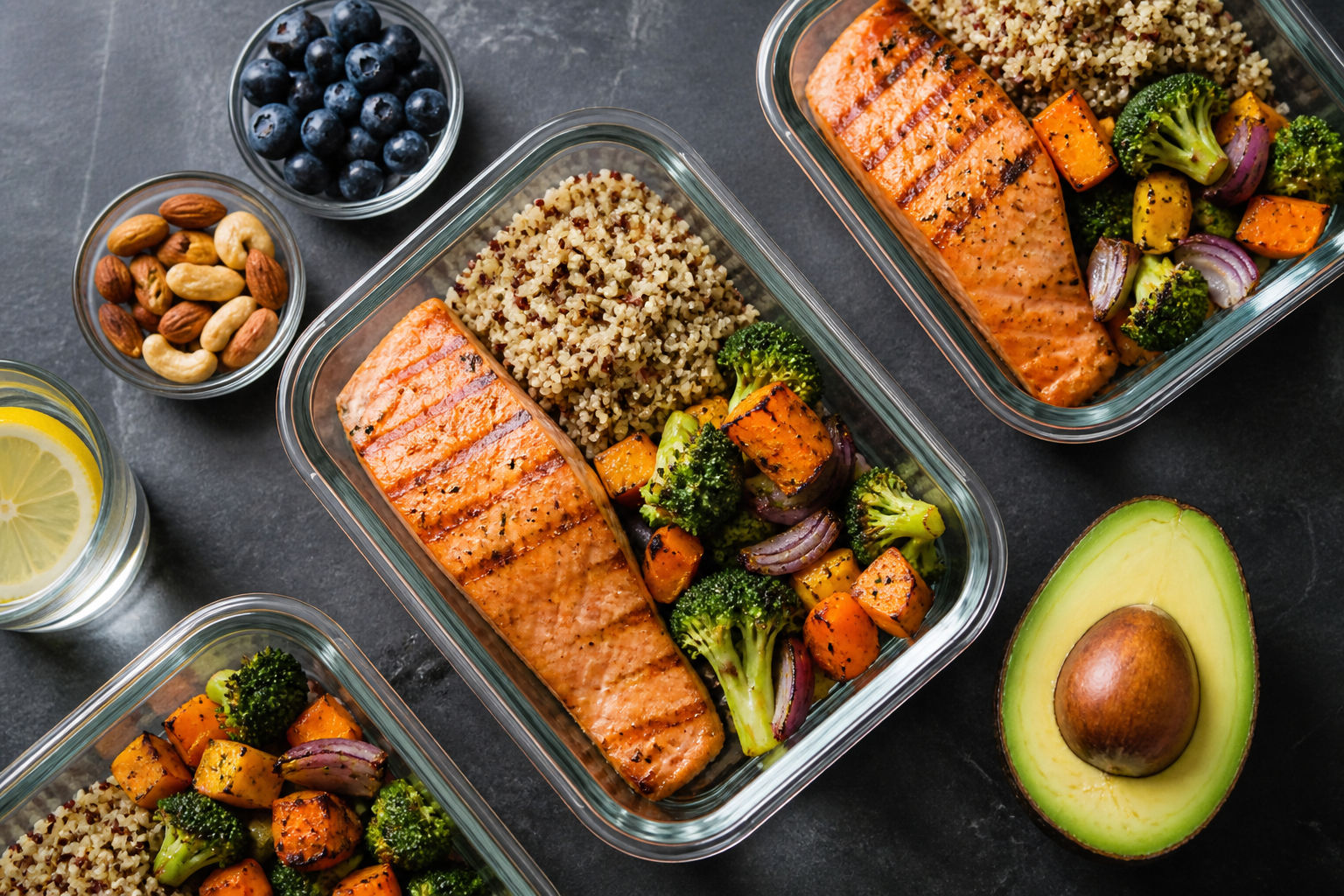
Nutrition in fitness media is saturated with extreme dogmatism: ketogenic zealotry, zero-carb dogma, intermittent fasting evangelism, and predatory supplement marketing. In human exercise physiology, however, successful dietary programming is governed by a clear hierarchy of nutritional priorities: energy balance, macronutrient distribution, micronutrient sufficiency, meal timing, and finally, targeted supplementation.
1. The Macronutrient Hierarchy for Athletes
Every gram of food you consume contributes to cellular energy, tissue remodeling, or hormonal balance. Understanding the functional role of each macronutrient allows you to fuel intense performance without unnecessary caloric accumulation:
- Protein (1.6–2.2 g/kg bodyweight): The building block of myofibrillar and connective tissue. Beyond providing amino acids for muscle protein synthesis (MPS), dietary protein possesses the highest Thermic Effect of Food (TEF ~25%), meaning one-quarter of its caloric value is burned off simply through digestion.
- Carbohydrates (3.0–6.0 g/kg for lifting athletes): The predominant substrate for anaerobic glycolysis during intense weightlifting. Muscle glycogen stores dictate training volume and output capacity. Restricting carbohydrates chronically reduces power output, blunts thyroid function, and elevates stress hormones.
- Dietary Fats (0.7–1.0 g/kg bodyweight): Indispensable for steroid hormone production (testosterone, progesterone, estradiol), cell membrane integrity, and fat-soluble vitamin assimilation (A, D, E, K). Consuming fewer than 0.6 g/kg of fat can disrupt neuroendocrine function.
2. Optimizing Muscle Protein Synthesis (MPS)
Research across sports nutrition literature demonstrates that the total daily protein intake matters most, but distributing that intake across 3 to 4 distinct feeding windows spaced 3 to 5 hours apart maximizes 24-hour muscular protein accretion.
The Leucine Trigger Hypothesis
To initiate the intracellular mTORC1 pathway that stimulates muscle repair, each meal must contain approximately 2.5 to 3.5 grams of the essential amino acid leucine. This threshold is typically achieved with:
- 30–40 g of high-quality animal protein (chicken breast, eggs, wild salmon, lean beef)
- 35–45 g of dairy protein (Greek yogurt, whey isolate, cottage cheese)
- 45–55 g of blended plant protein (soy, pea/rice protein blend, lentils and quinoa)
3. Nutrient Timing: The Peri-Workout Window
While the notion of a 30-minute "anabolic window" has been proven largely exaggerated, timing nutrients strategically around your lifting sessions enhances performance and glycogen resynthesis:
| Timing | Primary Objective | Recommended Intake |
|---|---|---|
| Pre-Workout (1–2 hrs prior) | Sustained blood glucose & amino acid availability | 30–40g easily digested carbs (oats, banana, rice) + 20–30g lean protein. Minimal fat and fiber to prevent gastrointestinal distress. |
| Intra-Workout (During session) | Hydration & electrolyte balance | 500–750 ml water with 300–500 mg sodium and potassium. Carbs optional unless training exceeds 75 minutes. |
| Post-Workout (Within 2 hrs) | Glycogen replenishment & tissue recovery | 30–40g complete protein + 40–60g moderate-to-high glycemic carbohydrates (jasmine rice, sweet potato, fruit). |
4. Evidence-Based Supplement Tier List
Over 90% of over-the-counter fitness supplements offer negligible physiological benefits. Only a handful of compounds possess robust, duplicated clinical trial evidence:
- Tier 1 — Creatine Monohydrate (3–5 g daily): The most researched ergogenic aid on earth. Saturates intracellular phosphocreatine stores, increasing power output, sprint performance, and intracellular hydration. Safe, cheap, and effective.
- Tier 1 — Whey or Plant Protein Isolate: A convenient whole-food derivative to hit daily protein thresholds when solid meals are impractical.
- Tier 1 — Vitamin D3 & Omega-3 Fish Oil: Corrects common systemic deficiencies, supports immune health, bone mineral density, and modulates systemic inflammation.
- Tier 3 (Waste of Money): Branched-Chain Amino Acids (BCAAs when total protein is adequate), testosterone boosters (tribulus, horny goat weed), and commercial fat-burner stimulants.
Clinical Nutrition Disclaimer: Nutritional requirements vary based on age, sex, metabolic rate, and underlying health status. These recommendations are for healthy adult athletic populations and do not substitute for personalized medical nutrition therapy.