
Strength foundation
3–4 days. Squat, hinge, push, pull, carry. Build dense muscle, bone density, and nervous system strength.
- Compounds first, then accessories
- 3–6 reps on main lifts, 8–12 on accessories
- Add 1–2.5 kg when all reps are clean

Coach-Written · Science-Backed
THE FIT FORMULA is an evidence-based athletic system uniting barbell mechanics, cardio conditioning, metabolic health, video training breakdowns, recovery, and athletic skincare.
Our Training Universe
Strength, conditioning, nutrition, mobility, skincare — every pillar of athletic performance, in one place.
Evidence-Based Programs
Seven complete tracks built on progressive overload, metabolic conditioning, longevity, and complete dermatological health.
3–4 days. Squat, hinge, push, pull, carry. Build dense muscle, bone density, and nervous system strength.

4-day Upper/Lower split. Maximize mechanical tension, lengthened stretch, and volume thresholds.

2 strength + 2 cardio days. Keep muscle while dropping fat with a modest calorie deficit and Zone 2 work.
Mitochondrial health, metabolic efficiency, and fat oxidation without muscle loss.
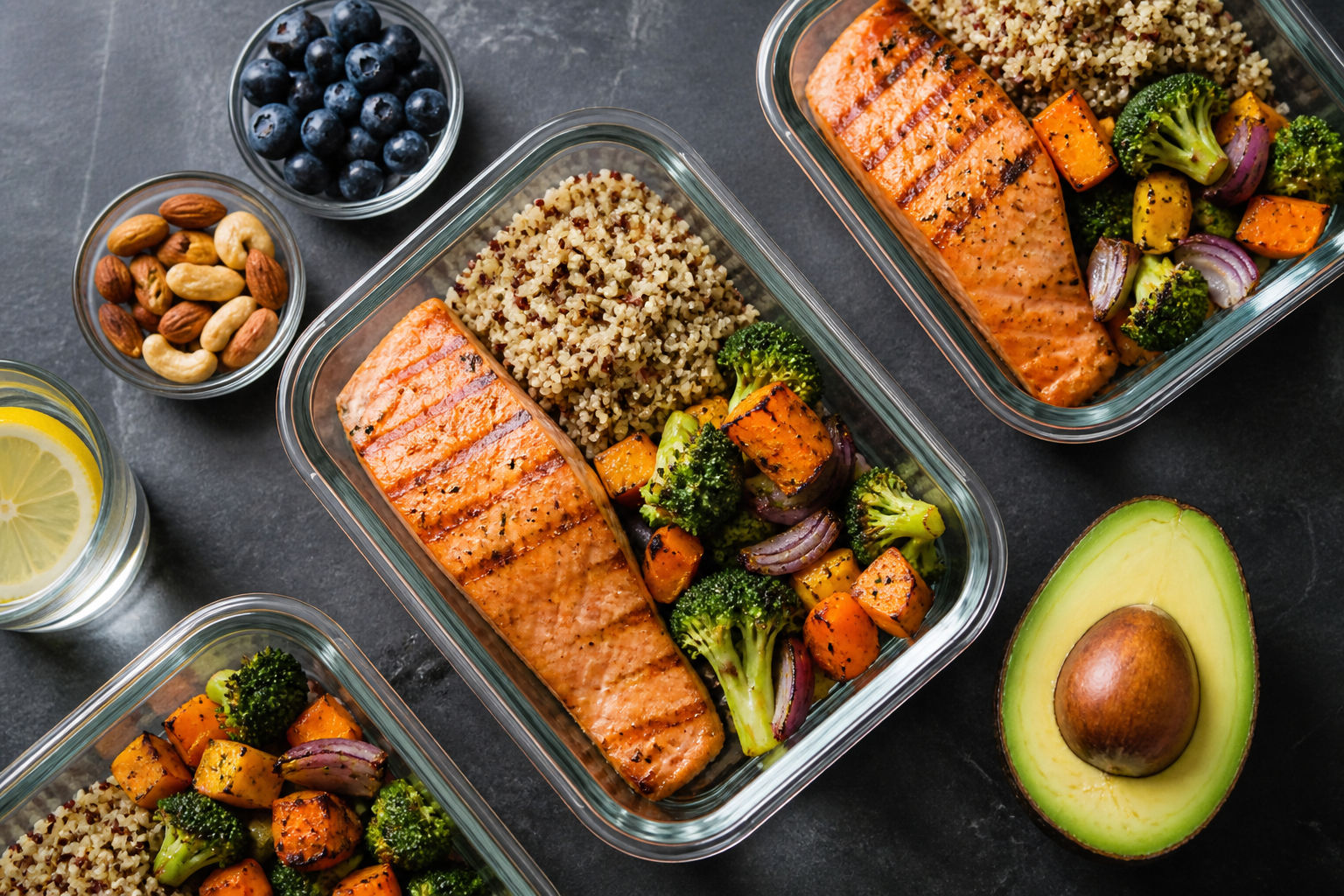
Real-food meal structuring, protein targets, and carbohydrate timing for athletes.

For stiff desks, sore backs, and longevity. Maintain full articular range of motion for decades.

Sweat management, gym breakout prevention, barrier repair, and UV protection for athletes.
Technique Masterclass
Watch and study master movement patterns. Flawless mechanics maximize muscle recruitment, safeguard joint longevity, and eliminate wasted reps.
Full foot tripod pressure, 360-degree intra-abdominal Valsalva brace, breaking at hips and knees simultaneously.
Pull the slack out of the bar, lock down the lats, and push the floor away instead of pulling with the lower back.
Retract and depress scapulae into bench, maintain 45-75 degree elbow tuck, and drive legs firmly into the floor.
Engage scaps from dead hang before elbow flexion, lead with upper chest, and control the eccentric descent for 3 seconds.
Maintain 170–180 steps/min cadence, land midfoot beneath center of mass, and sustain pure conversational aerobic output.
Unlock hip capsular freedom, alleviate low back tension, and expand rotational thoracic mobility before or after lifting.
Physiological Understanding
Calibrate your metabolism, calculate precise 1-Rep Max training loads, determine cardiovascular heart rate zones, and estimate daily hydration.
Uses the clinical Mifflin-St Jeor equation to compute your Basal Metabolic Rate and exact macronutrient distribution.
Computes your theoretical maximum using validated Epley and Brzycki equations, generating prescribed load percentages for every workout rep range.
Determine your exact Zone 2 aerobic base band to maximize mitochondrial biogenesis and burn fat as primary fuel.
Even a 2% drop in body water triggers a 10–15% reduction in muscular power and cognitive focus.
Holistic Health Framework
True fitness goes far beyond how much weight you can move. Longevity is governed by six biological pillars working in synergy.
VO2 max is one of the strongest independent clinical predictors of all-cause mortality. Zone 2 aerobic training builds high mitochondrial density and capillary vascular beds.
Skeletal muscle serves as your metabolic sink for glucose disposal. Heavy compound resistance loading preserves bone mineral density and prevents age-related sarcopenia.
Stable blood sugar and low fasting insulin reduce chronic vascular inflammation. Unprocessed whole foods, timed carbs, and daily post-meal walks regulate metabolic flexibility.
Deep slow-wave sleep is when growth hormone surges and muscle tissue repairs. REM sleep clears metabolic neurotoxins through the glymphatic system.
70% of your immune system resides in your gut. Diverse dietary fiber (30+ plant varieties/week) synthesizes short-chain fatty acids (SCFAs) that calm systemic inflammation.
Your skin protects against external pathogens and UV radiation. Exercise microcirculation stimulates dermal collagen, provided sweat hygiene and sun defense are maintained.
Training science
These are the same principles used by qualified coaches: ACSM-style progression, technique before load, and enough volume to grow without wrecking joints.
Beginners: 2–3 full-body sessions a week. Intermediate: 4-day upper/lower. Leave 1–3 reps in reserve on most sets.
Nutrition
Food is training fuel and recovery material. We use simple targets you can hit with normal meals — rice, dal, eggs, fish, yoghurt, fruit, vegetables, nuts.
Half colourful plants, a palm of protein, a cupped hand of carbs, a thumb of fats. Repeat. Season well. That is 80% of nutrition coaching.
Recovery
Sleep, tissue care, and deloads are part of the program, not extras. Without them, strength stalls and injury risk climbs.

Coaches

Head strength coach. CSCS-style programming, powerlifting, and barbell biomechanics. 12 years coaching beginners through first pull-ups and 100+ kg squats.
Focus: technique, progressive overload, injury-aware loading.

Nutrition, conditioning & dermal physiology. Sports-nutrition approach for busy professionals: whole-food meal planning, Zone 2 cardio, and athlete skincare.
Focus: protein targets, Zone 2, skin barrier health, desk athlete mobility.
FAQ
Most people do best on 3 lifting days plus daily walking. Add a fourth day only when sleep and joints feel good.
Beginners and people returning after a break often can. Everyone else should pick a primary goal for 8–12 weeks.
No. Protein food first. Optional: vitamin D if deficient, creatine 3–5 g, and basic whey or plant protein if meals fall short. See our Supplements Guide.
Do not workout in heavy makeup, never touch your face with gym equipment hands, and rinse sweat off within 15 minutes of training. Read our Athletic Skincare Guide.
Before starting if you have chest pain, uncontrolled blood pressure, recent surgery, pregnancy, or a diagnosed medical condition.
Start here
Generate your customized 7-day starter routine instantly. Your schedule is created immediately in your browser based on your goals and training days.